
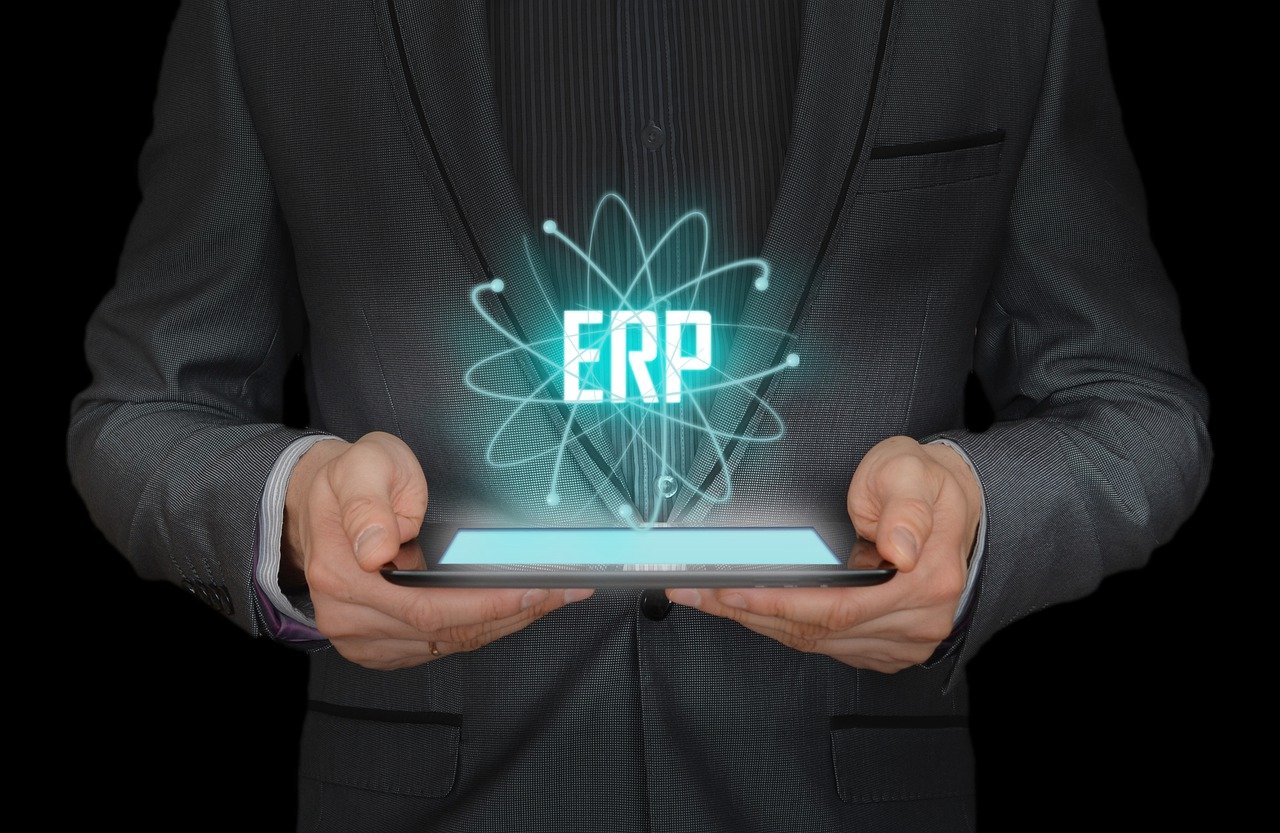
ERP for better Collaboration
Explain how ERP systems foster collaboration across departments, enabling seamless communication and improving overall productivity.
In today’s fast-paced and highly competitive business environment, collaboration is key to achieving success. An Enterprise Resource Planning (ERP) system plays a crucial role in fostering collaboration among departments by integrating processes, data, and communication across the organization. This not only enhances productivity but also ensures that departments work together more effectively. Let’s explore how ERP systems enable seamless communication and improve overall organizational performance.
Centralized Data Access
ERP systems centralize data from various departments like finance, sales, HR, inventory, and production into a single platform. This centralization ensures that all teams have access to real-time, consistent data, eliminating the need for redundant data entry and reducing discrepancies between departments. With everyone working from the same data, collaboration becomes more efficient, and decision-making is more informed.
Streamlined Workflow and Task Management
ERP systems allow departments to map and automate workflows, ensuring that tasks are routed to the right individuals at the right time. This helps eliminate bottlenecks and delays that often arise when departments work in silos. Automated workflows also allow for better coordination between teams, enabling employees to focus on more value-added activities instead of administrative tasks.


Improved Communication
ERP systems offer integrated communication tools such as messaging, notifications, and alerts. These tools streamline internal communication by enabling employees to share updates, resolve issues, and ask questions directly within the system. Rather than relying on external email chains or disconnected software, teams can communicate in real-time, ensuring that messages don’t get lost and actions are taken promptly.
Enhanced Visibility Across Departments
With ERP, managers and team members can gain insights into the performance and status of different departments. This enhanced visibility enables teams to understand how their work impacts other areas of the business. For example, the sales team can access inventory data, while the finance team can view sales projections. This interconnectedness fosters cooperation, reduces misunderstandings, and drives efficiency across the organization.
Better Project Management and Collaboration
ERP systems often include integrated project management modules that help coordinate tasks across departments. These modules allow project managers to assign tasks, track progress, and share files within the system, ensuring that everyone involved has up-to-date information. By having a single platform for project tracking and collaboration, teams can stay aligned on goals and deliverables, which ensures timely project completion and minimizes errors.
Increased Accountability
Since ERP systems offer clear task assignments, status tracking, and documentation of actions, accountability across teams is enhanced. Each department can clearly see what the other is working on, how progress is measured, and where delays or issues may arise. This transparency fosters a sense of ownership and responsibility, which in turn drives greater collaboration and productivity.
Customization for Business-Specific Needs
ERP systems can be tailored to the specific needs of a business. With custom modules and tools, departments can align their workflows to the company’s unique objectives. Whether it’s setting up reporting tools for the finance team or tracking sales metrics for the sales team, ERP systems allow for a high degree of customization that helps improve collaboration by addressing the specific challenges of each department.
Optimized Resource Utilization
ERP systems help businesses better allocate resources across departments. Whether it's managing inventory, human resources, or financial assets, ERP systems allow for more efficient resource allocation. Departments can collaborate to ensure that resources are used optimally, preventing shortages or underutilization. This leads to improved productivity and reduced waste, benefiting the entire organization.
Leave A comment
More Blogs
Why ERP is a Game-Changer for Billing
Explore how ERP systems optimize your billing process through cutting-edge processes.

Boost Cash Flow with ERP Billing Automation
Learn how automating billing through ERP can significantly improve your cash flow.
Seamlessly Integrate Billing with ERP: Here’s How
A simple guide to integrating your billing system with an ERP for max efficiency.

Stay Tax-Compliant with ERP Billing Systems
Ensure accurate tax calculations and stay compliant with ERP-powered billing.
Benefits of ERP for Billing
Discover how ERP can enhance billing accuracy and efficiency with optimize solutions.

How ERP Billing Systems Save Time and Money
Explore the time-saving and cost-reducing advantages of automating your billing with an ERP solution.
Real-Time Billing Insights with ERP: A Competitive Edge
Learn how real-time billing data through ERP systems can give your business a competitive advantage.