
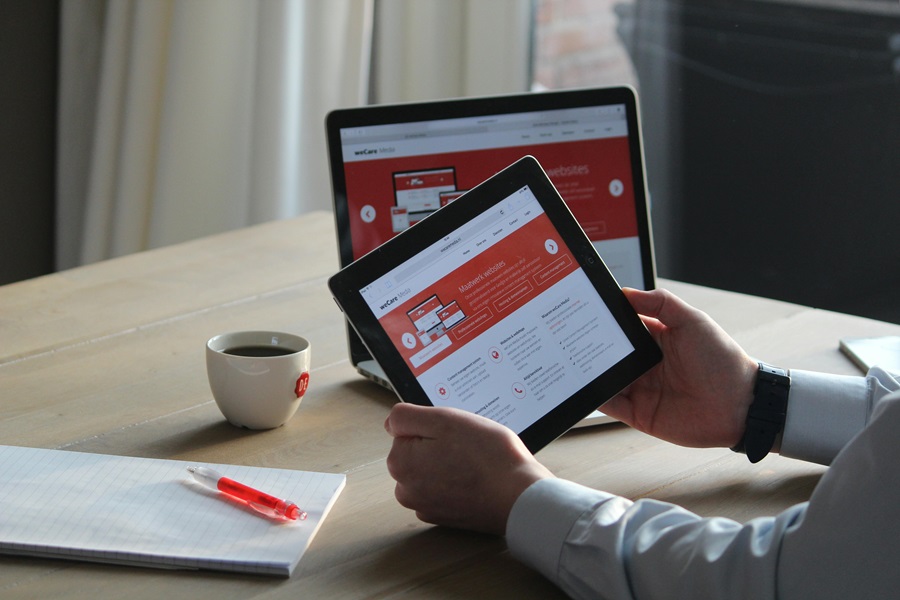
Why ERP is a Game-Changer for Billing
Explore how ERP systems optimize your billing process through cutting-edge processes.
An ERP (Enterprise Resource Planning) system fundamentally reshapes how businesses manage their billing processes. By automating routine tasks, enhancing data accuracy, and integrating with other business functions, ERP solutions streamline billing and financial operations. They provide real-time insights, improving decision-making and cash flow management. Through advanced reporting, customizable invoicing, and seamless integration with sales and accounting, ERP systems eliminate inefficiencies, reduce human error, and ensure compliance. This makes ERP a crucial tool for businesses seeking to optimize their billing workflows, save time, and scale operations smoothly.
Automation of Billing Processes
ERP systems automate the entire billing cycle, from invoice generation to payment processing, reducing the need for manual input. This automation not only saves significant time but also eliminates human errors like missed deadlines or incorrect entries. The system can send automated payment reminders and generate recurring invoices, ensuring that businesses stay on top of their billing schedules without extra effort.
Improved Accuracy and Reduced Errors
By integrating data from various business functions like sales, inventory, and customer management, ERP ensures that every invoice is generated with the most up-to-date and accurate information. This eliminates errors related to incorrect product pricing, tax calculations, or customer information, which can otherwise lead to disputes and delays in payment. With ERP, businesses can ensure error-free billing, minimizing financial discrepancies.


Real-Time Billing Information
ERP systems offer real-time visibility into all billing data, from current invoices to past payments and outstanding receivables. This allows businesses to track the status of all invoices and payments as they happen. Having up-to-date information at hand enables proactive management of overdue accounts, better decision-making, and ensures businesses can maintain a healthy cash flow by reducing late payments.
Seamless Integration with Other Business Functions
An ERP system integrates the billing process with other critical business functions such as sales, finance, and inventory management. This integration ensures that billing is always aligned with the latest order details, inventory levels, and customer records. For example, when a sale is made, the ERP automatically updates the billing system, reducing manual data entry and ensuring consistency across departments, thereby reducing operational inefficiencies.
Customizable Invoicing Formats
ERP systems provide the flexibility to design custom invoice templates, allowing businesses to meet specific client needs or regulatory requirements. Whether it's customizing payment terms, adding discounts, or including unique tax rates, ERP ensures that invoices match the business's standards and customer preferences. This customization enhances the professionalism of the business while ensuring compliance with industry-specific regulations and enhancing customer satisfaction.
Enhanced Cash Flow Management
Effective cash flow management is critical to the health of any business. ERP systems provide real-time tracking of invoices, payments, and receivables, giving businesses better visibility into their financial position. Automated reminders for overdue payments, along with a clear overview of receivables, ensure businesses can act swiftly to manage cash flow. This level of control helps avoid cash shortages and ensures the timely collection of payments.
Scalability for Growing Businesses
As businesses expand, their billing operations become more complex. ERP systems are designed to scale with the business, easily accommodating an increase in transaction volume, more diverse billing methods, and multiple customer accounts. This ensures that businesses can grow without having to replace or overhaul their billing system, making ERP a cost-effective long-term solution for managing increasing workloads as the business scales.
Advanced Reporting and Analytics
ERP systems offer powerful analytics and reporting tools that allow businesses to gain detailed insights into billing trends, customer payment behavior, and overall financial performance. These reports can reveal patterns, such as frequent late payments from certain clients, which can then be addressed to improve billing practices. Businesses can also use this data to forecast revenue, plan for future expenses, and make strategic decisions that drive profitability.
Leave A comment
More Blogs

ERP for Better Collaboration
Read how ERP systems foster collaboration across departments and improving overall productivity.

Boost Cash Flow with ERP Billing Automation
Learn how automating billing through ERP can significantly improve your cash flow.
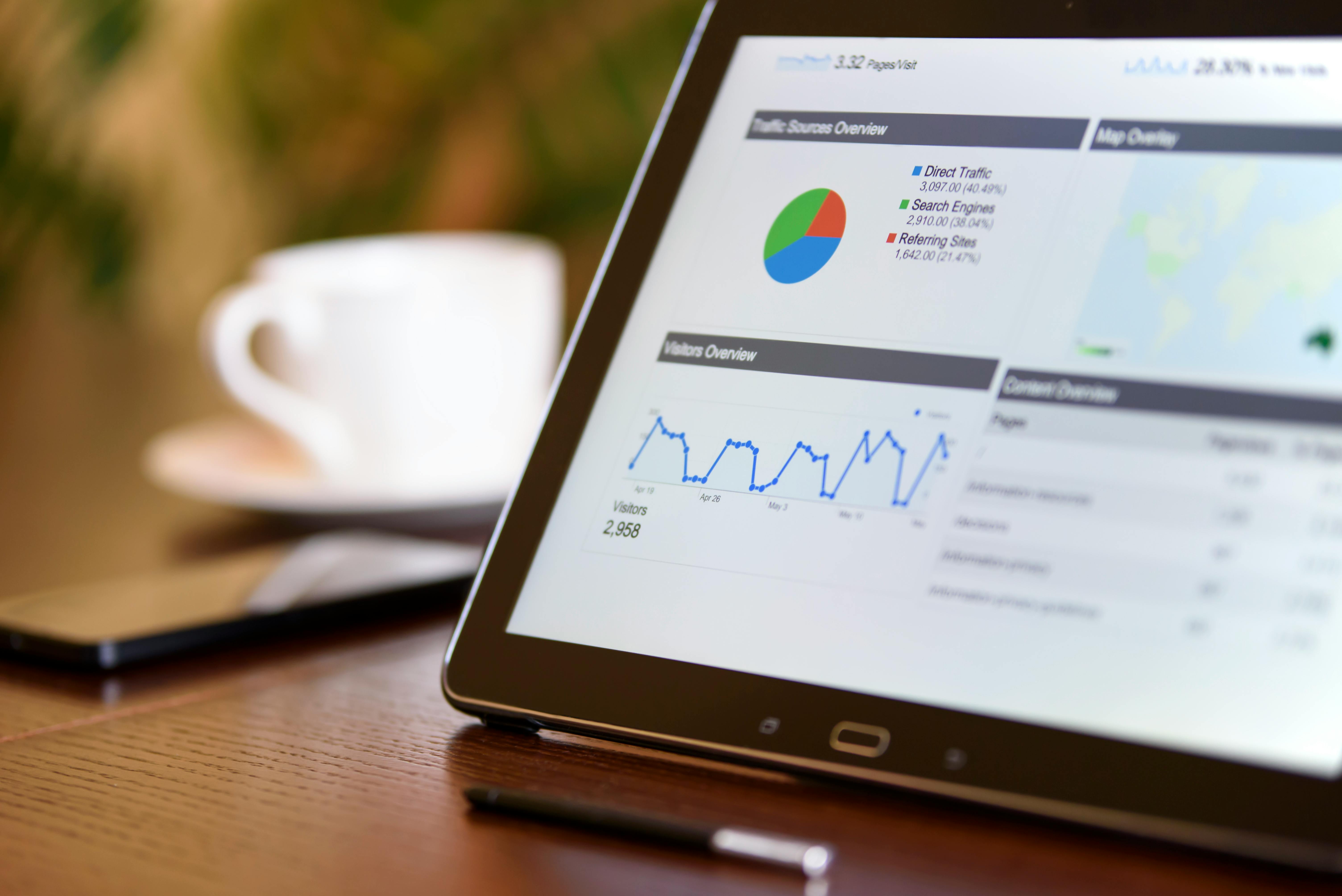
Seamlessly Integrate Billing with ERP: Here’s How
A simple guide to integrating your billing system with an ERP for max efficiency.

Stay Tax-Compliant with ERP Billing Systems
Ensure accurate tax calculations and stay compliant with ERP-powered billing.
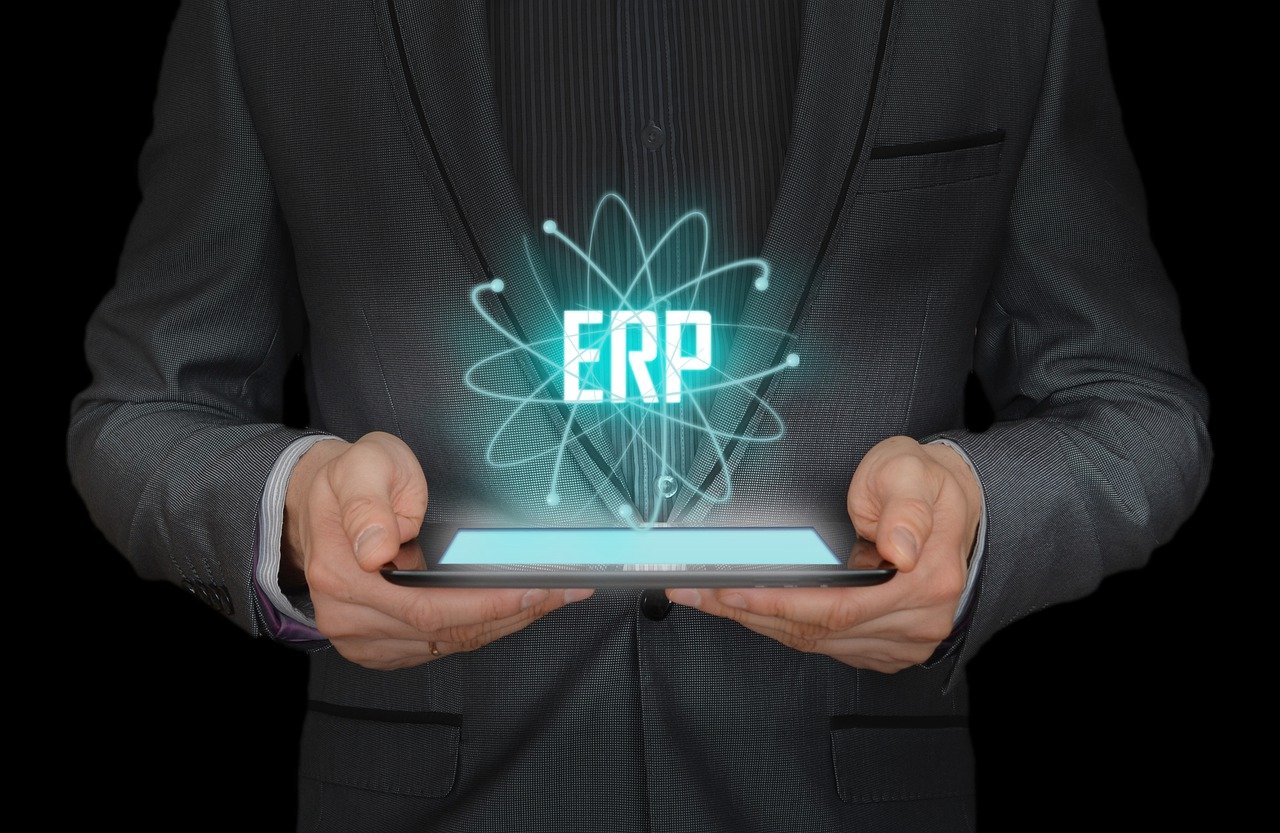
Benefits of ERP for Billing
Discover how ERP can enhance billing accuracy and efficiency with optimize solutions.

How ERP Billing Systems Save Time and Money
Explore the time-saving and cost-reducing advantages of automating your billing with an ERP solution.
Real-Time Billing Insights with ERP: A Competitive Edge
Learn how real-time billing data through ERP systems can give your business a competitive advantage.